Renewal vs. New Application — Which Do You Need?
If you are not sure whether you need a passport renewal or a new passport application, the key question is usually how you got your last passport, how old you were when it was issued, and whether it is still eligible for renewal by mail.
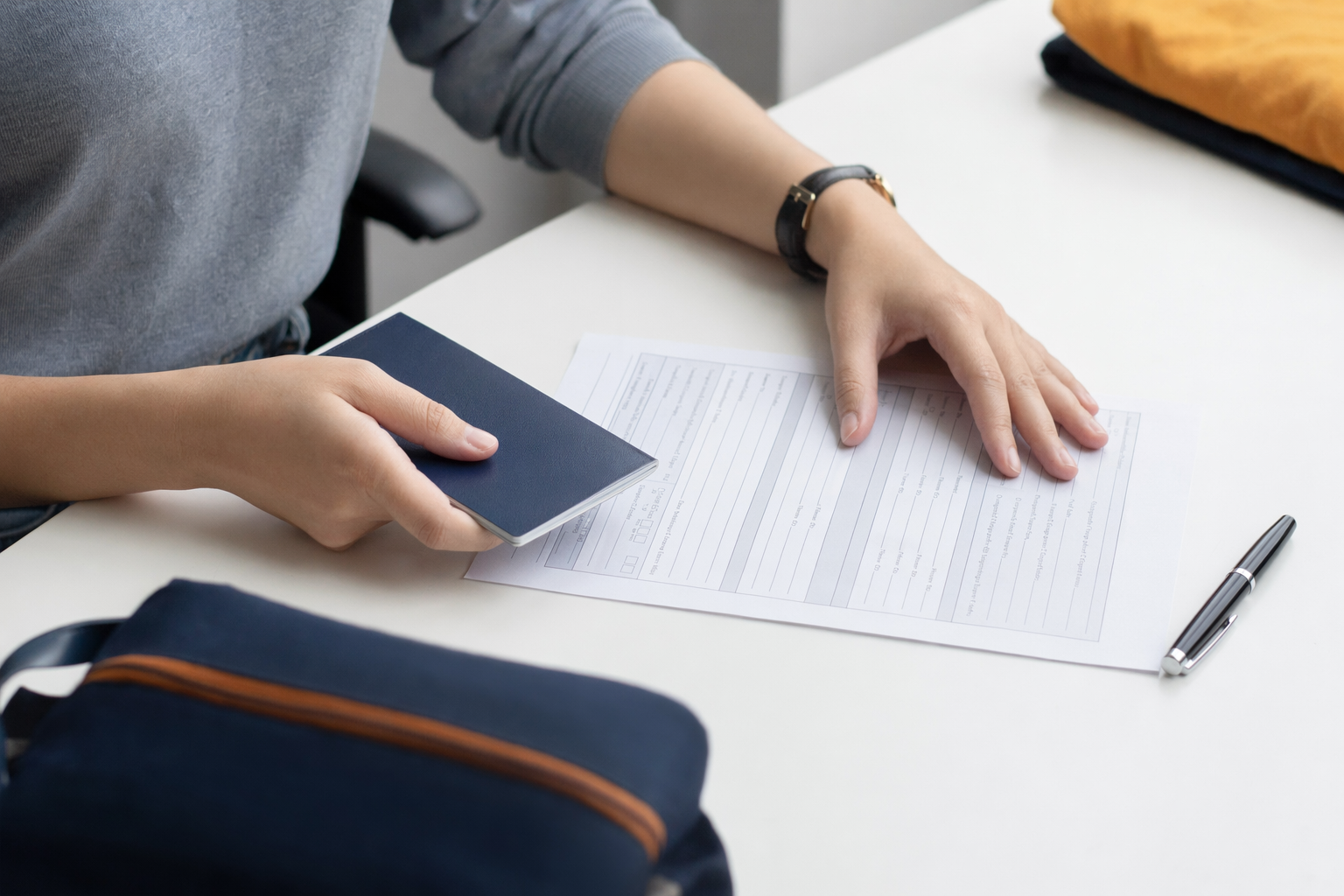
Start with the basic rule
A renewal usually means you can apply again for a passport without starting over as a first-time applicant. Many adults can renew by mail with Form DS-82 if they meet the government’s rules. This is often the simpler path.
A new application usually means you must apply in person with Form DS-11 at a passport acceptance facility, such as a post office, library, or clerk of court. This is common if this is your first U.S. passport, your last passport was issued when you were under age 16, or your old passport cannot be renewed under the official rules.
Typical timing depends on the route you choose. Routine service is often about 4 to 6 weeks, and expedited service is often about 2 to 3 weeks, plus mailing time. If you have urgent travel within about 14 days, the government may offer a limited urgent appointment in some cases. You can learn more in timelines and fees.
Passlane is an independent private company, not the U.S. Department of State, not the National Passport Information Center, not USCIS, and not an embassy or consulate. Passlane does not issue passports or process government applications. It is a free matching service that can connect you with an independent private passport or visa expediter if you want extra help moving paperwork and delivery faster. You can always apply directly with the government yourself at no service charge.
How to tell which one you need
You may be able to use renewal if your most recent passport was issued in your current name or you can document your name change, was issued when you were age 16 or older, and is the kind of passport the government allows to be renewed with DS-82. Adult renewals are often done by mail when the passport is still eligible under the official rules.
You likely need a new application with DS-11 if any of these apply:
- You have never had a U.S. passport before
- Your last passport was issued when you were under 16
- Your passport was lost, badly damaged, or not eligible for renewal
- You need a passport for a child under 16
For children under 16, the process is different. A child generally must apply in person, and both parents usually need to appear or provide the required consent documents. Also, if you are thinking about a passport card, remember this important limit: a passport card is valid for land and sea travel, but not for international air travel.
If you are unsure, start by reading the official eligibility rules, then compare your timeline. If you want help understanding the faster private-service options, you can use Passlane’s free matching form. The site should collect only basic contact and request details, not sensitive items like your Social Security number, passport number, or scanned documents.

What people often get wrong
A common mistake is thinking that a private expediter can approve a passport or visa. Only the government can approve, deny, issue, or refuse a passport or visa. No private company, including any company Passlane may refer you to, can guarantee approval or a specific result.
Another common mistake is confusing government fees with private service fees. The official government passport or visa fee is separate from any courier or expediting service fee charged by an independent private expediter. Those costs are not the same thing, and the service fee does not replace the official government fee. Before you pay anything, confirm the current official amount on the government’s website.
People also lose time by choosing the wrong form. If you send a DS-82 when the government requires DS-11, or if you forget photos, proof of citizenship, ID, or parental consent documents, your application may be delayed. If your trip is close, read how to expedite a passport so you understand the legitimate faster routes.
Passlane does not give legal or immigration advice. If your question is about citizenship, immigration status, visa eligibility, waivers, or a legal problem, speak with a licensed immigration attorney or accredited representative.
Your options if you need it faster
If you have enough time, you can usually apply directly with the government using routine or expedited service. This is a real option, and you do not have to use any private company. If you want the lowest out-of-pocket cost beyond the official government fees, direct filing may be the best fit.
If your travel is soon, a private expediter may help with logistics such as reviewing for completeness, courier delivery, and hand-carrying paperwork where allowed. That can sometimes reduce avoidable delays, but it does not change the rule that the government makes the final decision and controls issuance times. Timelines are only estimates.
Passlane is a free referral and matching service. It helps you understand the process in plain language and, if you choose, connects you with an independent private expediting service. Passlane is not affiliated with or endorsed by any government agency, and it does not process passport or visa applications itself.
If you want to compare your next step, gather your travel date, your old passport if you have it, and basic details about your situation. Then decide whether direct filing or private expediting makes more sense for you.
If your old passport was issued to you as an adult and still meets the government’s renewal rules, you may be able to renew, often by mail with DS-82. If this is your first passport, your old one was from when you were under 16, or it is not eligible for renewal, you usually need a new in-person application with DS-11. You can always apply directly with the government yourself at no service charge. Passlane is a free private matching service, not a government agency, and any private expediter’s fee is separate from the official government fee.