Why Both Parents Usually Must Sign for a Child
For most U.S. passport applications for a child under 16, **both parents or legal guardians usually must give permission** to help prevent child abduction and custody problems.
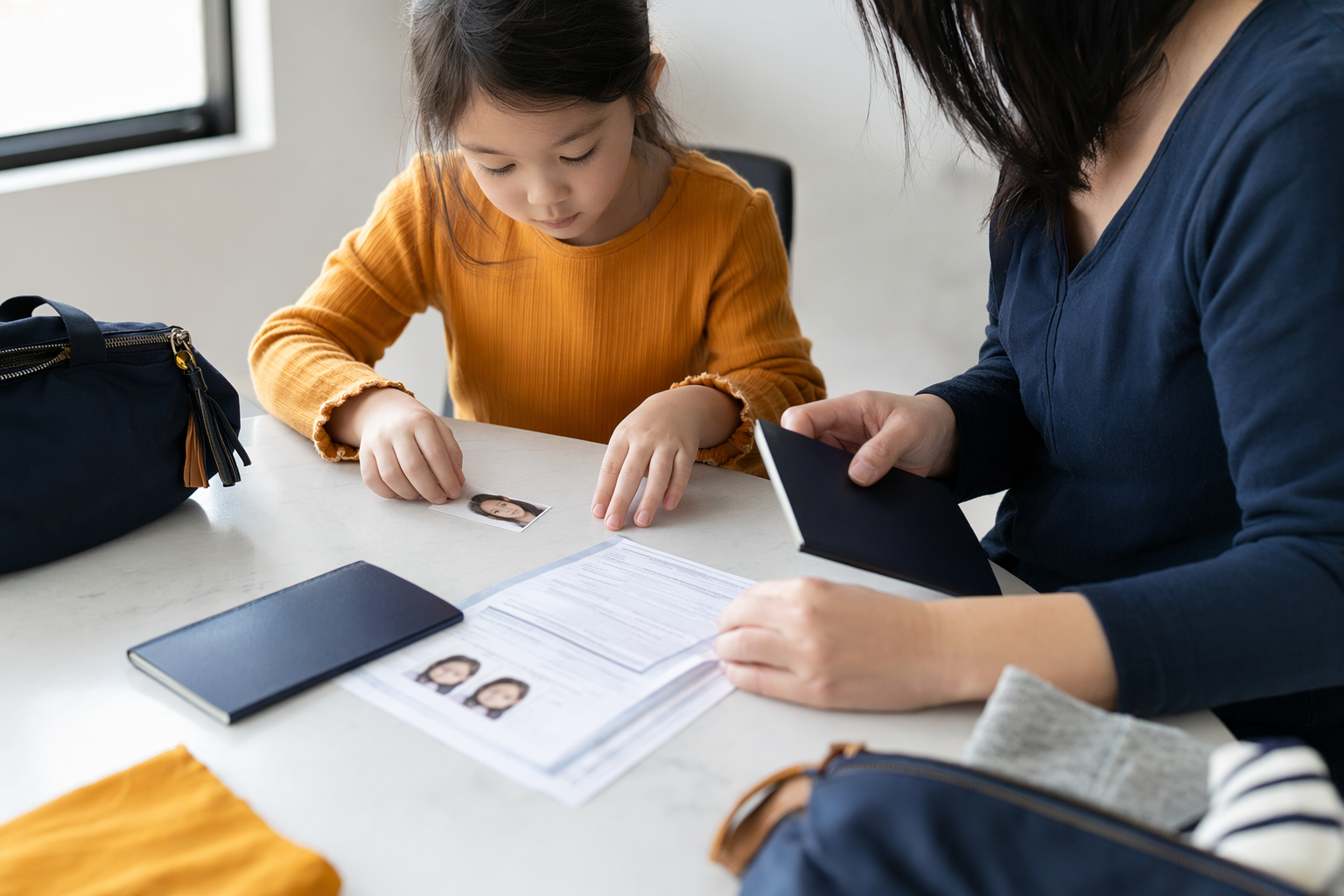
Overview
A child’s passport is handled differently from an adult’s passport. In most cases, a child under 16 must apply in person on Form DS-11, and both parents or legal guardians usually need to appear or provide consent. This rule exists to protect children.
If one parent cannot come, there is often still a path forward, but the government will usually require extra paperwork. The exact option depends on your situation, such as sole legal custody, a missing parent, or urgent travel.
Passlane is an independent private company. We are a free matching service that explains the process in plain language and may connect you with an independent private passport or visa expediting service. We are not the U.S. Department of State, not the National Passport Information Center, not USCIS, and not an embassy or consulate. We do not issue passports, process government applications, or give legal or immigration advice.
You always have the choice to apply directly with the government yourself at no service charge. If you want help understanding timing, see timelines and fees.
What to do
Start by confirming whether the child is applying for a first passport or replacing an old child passport. For most children under 16, you will use DS-11 and go in person to a passport acceptance facility or, in urgent cases, seek a government appointment if you qualify. Child passports are generally not renewed by mail like many adult renewals.
Bring the basics the government usually asks for:
- The child’s proof of U.S. citizenship
- Proof of the parents’ or guardians’ identity
- Proof of the relationship to the child
- A passport photo
- The required application forms
- The official government fee for the passport application and any extra government expedited processing fee, if requested
If one parent cannot attend, the government may accept a signed consent form from the absent parent or other supporting documents, depending on the case. If there is a custody order, guardianship paper, or other legal document, bring it. If you are not sure what your documents mean legally, talk to a licensed immigration attorney or accredited representative. Passlane does not provide legal advice.
If you need the passport faster, there may be legitimate faster routes, such as government expedited service, which is often about 2 to 3 weeks, or urgent appointments for qualifying travel within about 14 days. Routine service is often about 4 to 6 weeks. These are typical estimates, not guarantees. You can learn more in how to expedite a passport or get matched with an independent private expediter. Any private expediter’s service fee is separate from, and not included in, the official government fees.

Common pitfalls
The most common problem is assuming one parent can sign without checking the rules first. If both parents are required and one parent’s consent is missing, the application may be delayed or not accepted. Another common issue is bringing incomplete custody papers or copies that do not clearly show who can authorize the passport.
Watch for these mistakes:
- Using the wrong form
- Showing up without the child when the child must appear in person
- Forgetting photo ID or proof of relationship
- Confusing a passport book with a passport card
- Assuming a private company can approve or issue a passport
A passport card is only valid for land and sea travel to certain destinations. It is not valid for international air travel. If your child will fly internationally, most travelers need a passport book.
Also be careful with timing. Even expedited processing is not guaranteed, and private expediting does not mean the government will approve the application. Passlane only helps you understand your options and connect with an independent private service if you want that help. We do not collect Social Security numbers, passport numbers, or scanned documents on this site. Our forms ask only for contact and request details.
FAQ
Parents often ask whether the rule changes for teenagers. In general, children under 16 usually need both parents’ consent. Teens 16 and 17 follow a different process, but parental awareness or consent may still matter depending on the situation.
Another concern is what happens if travel is very soon. In some urgent cases, you may be able to pursue a faster government route, but you still need to meet the child-consent rules or qualify for an exception the government accepts. The government alone decides whether to issue the passport and how quickly it can be processed.
If you are confused about custody, guardianship, or whether a parent’s rights have been limited, get legal guidance before you submit the application. An attorney or accredited representative can help you understand your legal documents. Passlane cannot interpret court orders or immigration status.
If you want a simpler next step, you can apply directly with the government at no service charge, or use Passlane’s free service to compare private help. Either way, it is smart to confirm the latest forms, document rules, and official government fee on the official government website before you go.
If your child is under 16, the U.S. government usually wants **both parents to agree** before issuing a passport. If one parent cannot come, you may still have options, but you usually need extra documents. You can always apply directly with the government yourself at no service charge. Passlane is **not** a government agency. We are a free service that explains the process and can connect you with an independent private expediter if you want extra help.